Pest Control Services in Warren County for Spring and Summer Pest Surges
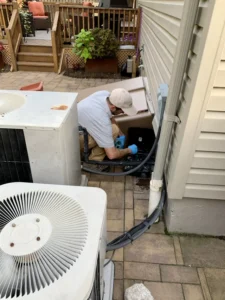
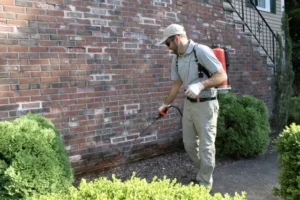
Spring and summer change the rhythm of pest activity in Warren County. The first warm stretch wakes up insects that spent winter tucked into soil, wall voids, wood piles, crawl spaces, and protected landscape beds. A few weeks later, the county is dealing with the second wave, mosquitoes after steady rain, ants pushing into kitchens, stinging insects building nests under eaves, and rodents shifting their routes as yards and garages become active again.
For homeowners and property managers, this is the season when small issues stop being small. A line of ants near the sink can turn into a daily problem. Wasps under the deck can make a backyard unusable. A few mosquitoes in the evening can change how often a family uses its patio. What makes spring and summer pest control tricky is not only the number of pests, but the speed at which conditions change. One storm, one hot week, one overwatered flower bed, and the pressure rises.
That is why Pest Control Services Warren County residents rely on tend to be most valuable during these months. The goal is not just to spray after pests appear. The better approach is to understand what local conditions are doing, identify pressure points around the structure, and act early enough to prevent a seasonal nuisance from becoming a recurring infestation.
Why warm weather brings a surge
In Pest Control Services Warren County colder months, pest activity often slows or moves indoors. Spring reverses that pattern. Soil temperatures rise, standing water lingers after rain, and food sources multiply. Trees leaf out, mulch beds stay damp, and exterior lighting begins attracting night-flying insects again. Every one of those changes creates opportunity.
Ant colonies expand quickly in warm weather. Termite swarms typically appear in spring, often after rain and on mild days. Mosquito populations build in cycles, especially when warm evenings follow a wet period. Spiders become more visible because the insects they feed on are more active. Wasps and hornets begin with small nests that are easy to miss in April and become major hazards by midsummer.
There is also a practical reason pest problems feel more intense this time of year. People are using their homes differently. Windows are opened. Kids and pets are in the yard more often. Outdoor dining picks up. Garages and sheds are left open longer. The same conditions that make spring and summer enjoyable also create easy access for pests.
In Warren County, the local mix of suburban neighborhoods, wooded lots, agricultural edges, creeks, and seasonal humidity adds another layer. A property near tree cover and water will face different pressures than a tightly spaced subdivision lot with irrigated landscaping. An experienced technician does not treat those homes the same way, because the risk profile is different.
The pests that tend to surge first
Not every pest arrives on the same schedule. In many neighborhoods, ants are the first complaint. Pavement ants, odorous house ants, and carpenter ants become highly visible as they forage for moisture and food. Homeowners often notice them around sinks, windows, and thresholds. The mistake is assuming the visible trail is the whole problem. Usually it is just the working edge of a larger colony established outdoors or, in some cases, in damp structural wood.
Termites create a different kind of urgency. Spring swarms can be brief, sometimes lasting only a short window, but they are important. Flying termites around windowsills or discarded wings near doors can point to a colony nearby or within the structure. It does not always mean severe damage is present, but it does mean the property deserves a careful inspection. Waiting until visible wood damage appears is rarely a wise strategy.
Mosquitoes usually build more gradually. One wet week may not seem like much, but repeated rainfall combined with clogged gutters, forgotten containers, birdbaths, low spots in the yard, and poor drainage can create enough breeding sites to sustain an annoying population. People are often surprised by how little water mosquitoes need. A neglected flowerpot saucer can matter. So can a sagging tarp, a blocked drain, or a toy left in the yard.
Stinging insects begin quietly. Early nests are often tucked under railings, inside hollow fixtures, beneath soffits, or in shrubs. By June and July, those nests are larger, more defensive, and harder to remove safely. This is one of the clearest examples of why timing matters. A nest that could have been removed simply in late spring may require a more cautious treatment plan in midsummer.
Spiders, earwigs, centipedes, and occasional invaders also pick up as weather warms. On their own, these pests may be more unsettling than dangerous. Even so, they often tell a useful story. A rise in spider activity usually means there is enough insect prey around the exterior or inside the home to support them. Pest control is often most effective when it addresses the food chain, not just the pest people happen to notice first.
What professional service looks like in a high-pressure season
Good spring and summer pest control is not built on guesswork. A technician should start by reading the property. That means looking at drainage patterns, foundation lines, mulch depth, vegetation touching the house, utility penetrations, window frames, garage thresholds, and moisture-prone areas such as hose bibs and air conditioning condensate lines.
Inside, the inspection should connect the complaint to conditions. If ants are appearing in an upstairs bathroom, there may be a hidden moisture issue or a foraging route behind trim. If flies are gathering near a window, there may be exterior attractants or entry points around the frame. If stinging insects are showing up repeatedly in one corner of the yard, the nest may not be obvious from ground level and may require a more deliberate search.
This is where professional judgment matters. Two homes on the same street can need different treatments. One may benefit most from exterior barrier work and habitat correction. Another may need targeted baiting, a nest removal, and a more aggressive moisture-management conversation. The best Pest Control Services Warren County providers are not simply applying the same material to every structure. They are matching methods to the biology of the pest and the conditions of the site.
A seasoned technician also knows that the most important result is not always instant. Some pests, especially ants, often respond best to treatment plans that let products move back through the colony. Homeowners understandably want immediate relief, but the fastest-looking fix is not always the one that solves the problem fully. There is a difference between knocking down visible activity and collapsing the source.
The role of prevention, and why it saves money
There is a reason preventive service plans become popular by late spring. Once pest pressure is obvious, homeowners are already playing catch-up. Preventive treatment works better because it narrows the opportunities pests have to establish themselves.
This does not mean every home needs constant or heavy chemical use. In fact, the strongest long-term programs usually combine modest, well-placed treatments with sanitation, exclusion, and moisture control. Pest management works best when it is layered. A treatment can reduce current activity, but sealing a gap under a side door prevents the next wave. A mosquito application can lower adult pressure, but correcting standing water prevents repeated reinfestation.
Homeowners sometimes hesitate because they do not want to commit to service before they see a major issue. That is understandable. The practical counterpoint is that major issues usually cost more, disrupt daily life more, and take longer to stabilize. A wasp nest in its early stage is easier to remove than a mature colony. Ant activity that begins outside is simpler to intercept before it branches into multiple interior routes. Early termite signs are far easier to evaluate than years of hidden damage.
Signs that call for a closer look
Some pest problems announce themselves loudly. Others stay subtle until the population has had time to establish. These are the signs that should not be brushed off:
- consistent ant trails at the same time of day
- discarded wings near windows, doors, or basement areas
- new buzzing or concentrated insect traffic around eaves and soffits
- increasing mosquito pressure in one part of the yard
- scratching, droppings, or gnawing in garages, sheds, or attic-adjacent spaces
Each of these signs points to a pattern, not a one-off event. A single ant is not always meaningful. A reliable trail over several days usually is. One mosquito in the yard is normal in summer. A cluster of bites every evening near the patio suggests a breeding source or heavy harborage nearby. The difference matters, because a pattern calls for inspection and strategy, not just spot treatment.
Mosquito control is about habitat as much as treatment
Of all warm-weather complaints, mosquitoes may be the most frustrating because they interfere directly with how people want to use their property. They also have a way of making homeowners feel powerless. The yard gets treated, pressure drops, then a storm rolls through and the bites begin again.
The truth is that mosquito control succeeds when expectations are realistic and the habitat is addressed. No responsible provider can promise a property will never have mosquitoes, especially if neighboring lots, woods, or water sources continue feeding the population. What a well-run service can do is reduce breeding opportunities on the property, knock down resting adults in key zones, and create a far more usable outdoor space.
Shrubs, dense groundcover, shaded fence lines, and damp corners become mosquito resting sites during the day. Gutters that do not drain fully can act as hidden breeding reservoirs. Children’s toys, wheelbarrows, corrugated drain extensions, and decorative containers become a problem because they collect just enough water. I have seen backyards where the main breeding source was not a pond or ditch, but a forgotten bucket behind a shed.
A provider who talks only about spraying and never about standing water is skipping half the job. The chemistry matters, but the habitat matters just as much.
Ants, termites, and carpenter ants deserve different responses
Homeowners often group wood-related pests together, but they are not the same problem. Carpenter ants excavate wood to create galleries, usually preferring moisture-damaged or softened wood. Termites consume cellulose and can remain hidden for long periods. Both can affect structural materials, but the treatment approach, risk level, and inspection process are different.
This is one place where casual assumptions create trouble. A homeowner sees winged insects, assumes they are just ants, and loses valuable time. Or carpenter ants are treated as a surface nuisance when the real issue is chronic moisture in a wall or window frame. An experienced inspector asks where the activity began, what the insects look like, whether there has been previous water intrusion, and whether there are visible frass deposits, mud tubes, or damaged trim.
Spring is often when these pests first become visible because colonies are reproducing or foraging more actively. That visibility is useful if it is taken seriously. It gives a technician a chance to find the source early, before the damage and repair costs become much larger.
Why exterior conditions around the home matter so much
Many of the most stubborn summer pest issues begin outside. Foundation plantings hold moisture and create cover. Mulch piled too deep can shelter insects close to the structure. Tree limbs touching the roof can act as bridges for ants and other pests. Decks, retaining walls, and decorative stone features create voids where insects and rodents can move undisturbed.
Even details that seem cosmetic can affect pressure. A bright entry light may pull in night-flying insects that then attract spiders. Poorly sealed utility lines can create hidden access points. A garage door that leaves a narrow gap at one corner can be enough for mice or insects to enter repeatedly. Weatherstripping that looked fine in winter may not perform well after heat and expansion begin affecting materials.
This is where local knowledge pays off. In Warren County, a property backed by mature trees and heavy shade may retain moisture long after a sunnier lot dries out. A home near open field edges may deal with more seasonal invaders moving in from surrounding habitat. A creek-adjacent property may struggle more with mosquitoes and moisture-loving insects. A generic, one-size-fits-all treatment rarely accounts for those differences.
Questions worth asking before hiring a provider
When people compare pest control companies, price usually comes first. Price matters, but it should not be the only filter. A lower quote can look attractive until you realize it excludes follow-up visits, nest removal, or inspection depth. The quality of communication matters too. If a company cannot explain what it found, why a treatment is appropriate, and what conditions on the property are making the issue worse, that is a warning sign.
A few questions can tell you a lot:
- what pest are you actually seeing, and how certain is the identification
- what conditions on the property are contributing to the problem
- what result should you expect after treatment, and how long might it take
- what changes should the homeowner make to improve the outcome
- how will follow-up be handled if activity continues
Clear answers matter because pest control is not magic. It is a combination of inspection, biology, timing, product knowledge, and cooperation from the property owner. When those pieces line up, results are usually very good. When they do not, even a strong treatment can underperform.
What homeowners can do between visits
Professional service is more effective when the property supports it. The biggest gains usually come from a handful of practical corrections. Trim vegetation away from siding and rooflines. Keep gutters draining properly. Reduce standing water in containers and low spots. Store firewood off the ground and away from the house. Address leaks promptly, especially around hose connections, basements, and crawl spaces.
Indoor habits matter too. Pet food left out overnight, sticky drink residue in recycling bins, and crumbs under appliances can sustain ant activity long after an exterior treatment. Garage clutter creates harborage. Cardboard stored directly on a basement floor provides shelter and moisture retention for pests that prefer dark, quiet areas.
None of this replaces professional treatment when a real infestation is active. It does, however, make treatment more successful and helps prevent the next surge from getting traction.
Seasonal timing makes a real difference
One lesson that repeats every year is that a week or two can change the scope of a job. Homeowners often call when the problem becomes impossible to ignore, which is understandable, but earlier service usually produces better, simpler outcomes. The first wasp nest of the season is smaller than the one discovered after July heat. The first sign of ant activity is easier to map than multiple established trails. The first termite swarm report is a chance to inspect, not a reason to panic, but it should not be ignored.
Spring and summer pest work is less about reacting dramatically and more about staying ahead of predictable cycles. That is what separates effective pest management from repeated frustration. When inspection is thorough, treatments are targeted, and property conditions are corrected, the season becomes manageable. Families can use their patios again. Kitchens stay clear. Eaves and decks are safer. Minor nuisance insects stop turning into daily disruptions.
For Warren County property owners, that is the value of choosing the right service at the right time. Not a generic spray-and-go Pest Control Services Warren County visit, but a practical, informed plan built around local pest pressure, weather patterns, and the specific conditions of the home. Spring and summer will always bring pest activity. They do not have to bring chaos with it.
Affordable Pest Solutions LLC
Budd Lake, NJ 07828 (service-area business)
Serving Warren, Morris and Sussex Counties, New Jersey
Phone: +1 973-229-9547
FAQ About Pest Control Services Warren County
How much does pest control cost in NJ?
The cost depends on the pest, the size of the property, the extent of activity and whether follow-up visits are needed. Ask for an inspection and a written estimate that explains the treatment scope and any ongoing service charges. Affordable Pest Solutions offers free estimates for properties in its service area.
What are the most common household bugs in New Jersey?
Ants, cockroaches, stink bugs and spiders are among the pests that residents may encounter in New Jersey homes. Activity varies by season, moisture conditions and available entry points. Correct identification helps determine whether exclusion, sanitation, monitoring or professional treatment is appropriate.
What kind of bugs infest homes?
Ants, cockroaches and termites can establish persistent activity in or around homes. The signs and appropriate response differ by pest: trails, droppings, shed wings or damaged wood may warrant closer inspection. A pest professional can identify the cause and recommend a plan suited to the property.
Corrections
Spot something wrong? Send it to the desk and it gets fixed in the open.