Pest Control Services Warren County for Customized Inspection Plans
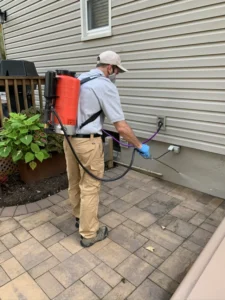
Pest problems rarely follow a script. Two houses can sit on the same road in Warren County, built in the same decade, with the same square footage, and still have completely different pest pressure. One may struggle with carpenter ants every spring because of moisture around a shaded deck. The other may see mice each fall because an old stone foundation leaves plenty of entry gaps near utility lines. That is why customized inspection plans matter. Good pest control starts long before a treatment truck pulls into the driveway. It starts with careful observation, local knowledge, and a willingness to look beyond the obvious.
When people search for Pest Control Services Warren County, they often think first about elimination. They want the wasps gone, the ants out of the kitchen, the rodents out of the attic. That is understandable. Still, the best results usually come from a different starting point. A thorough inspection identifies what is attracting pests, how they are getting in, what conditions are helping them stay, and which control methods make sense for that specific property. Without that foundation, treatments can become repetitive, expensive, and frustrating.
A customized inspection plan is not just a more detailed version of a standard walkthrough. It is a structured, property-specific process built around risk factors that differ from one site to the next. In Warren County, those variables often include wooded lots, crawl spaces, aging farm structures, seasonal humidity, drainage issues, mixed-use buildings, and older homes with years of small repairs layered on top of one another. Each of those conditions changes the pest picture.
Why a standard inspection often misses the real problem
A quick inspection can spot active pest evidence, but it may miss the conditions driving repeated infestations. That matters because many recurring problems are not caused by a lack of treatment. They are caused by an incomplete diagnosis.
Take a common example. A homeowner notices ants in the kitchen every April and May. A standard service might target visible ant trails and treat the perimeter. Sometimes that is enough. Sometimes it is not. A customized inspection may reveal that the kitchen activity is only the symptom. The actual issue could be a colony nesting in damp wall voids near a chimney chase, or in rotting trim outside a poorly flashed window. If the source remains untouched, the short-term result may look good, but the ants return with predictable regularity.
The same pattern shows up with rodents. Homeowners often set traps where they hear movement, usually in basements, garages, or attics. Yet mice and rats use the full structure. They travel utility penetrations, foundation seams, door sweeps, roof intersections, and even gaps behind siding transitions. A real inspection maps movement routes rather than reacting to noise alone. That distinction changes the outcome.
In my experience, the most expensive pest issue is not always the worst infestation. It is the slow, misread one. It lingers for months. People buy sprays, baits, and traps. They patch one opening but miss three others. Activity drops, then resurfaces. By the time professional help is called, the problem feels bigger than it actually is, mostly because no one traced it back to the right source at the start.
What makes Warren County properties unique
Warren County presents a mix of pest conditions that reward local familiarity. Rural properties deal with different pressures than subdivisions. Historic homes behave differently than newer construction. Buildings close to creeks, wooded edges, or open fields often see stronger seasonal transitions. Insects and rodents do not care about neighborhood lines, but they respond quickly to moisture, shelter, food, and easy access.
Older homes in the county often have settled foundations, original wood framing, and additions built at different times. Those transitions create hidden gaps. Rodents exploit them in colder months. Ants and occasional invaders find them useful year-round. Termite inspections also become more nuanced in these homes because previous repairs can hide older damage or create conditions that look suspicious without being active.
Newer homes are not immune. In fact, tightly built homes can trap moisture in ways owners do not expect. If grading directs water toward the structure, if downspouts discharge too close to the foundation, or if mulch stays damp along exterior walls, pests respond. I have seen beautifully maintained properties develop persistent earwig, ant, and centipede activity simply because landscaping held moisture against the foundation line.
Commercial properties in Warren County add another layer. Restaurants, warehouses, offices, schools, and healthcare spaces all require a different inspection lens. A restaurant may need close attention to drains, floor-wall junctures, grease zones, and receiving areas. A warehouse may need exterior door management, pallet inspection, and bird control considerations. An office building may have few food sources in public areas but chronic pest pressure around break rooms and utility corridors.
This is where Pest Control Services Warren County should separate themselves. The question is not whether a company can apply a treatment. Most can. The better question is whether the inspection plan reflects the actual building, the season, and the likely pest biology.
What a customized inspection plan should include
A strong customized inspection plan begins before the inspector even arrives. Good companies ask useful questions in advance. They want to know what has been seen, when it started, where activity is concentrated, whether the issue is seasonal, what past treatments have been tried, and whether pets, children, tenants, or sensitive operations affect treatment choices.
Once on site, the inspection should move beyond visible pest evidence and into building conditions. That means looking at entry points, moisture sources, sanitation patterns, storage habits, structural vulnerabilities, and the surrounding environment. A wooded lot, bird feeder placement, stacked firewood, dense shrubs against siding, and even exterior lighting can influence pest patterns. None of that is generic.
A quality inspection plan usually addresses five core areas:
- Interior evidence, including droppings, frass, grease marks, nesting signs, odor, damaged materials, and live activity.
- Exterior access points, such as foundation gaps, utility penetrations, door sweeps, rooflines, vents, and siding transitions.
- Moisture conditions, including leaks, condensation, drainage failures, and poorly ventilated crawl spaces or attics.
- Environmental attractants, such as food handling practices, clutter, landscape contact, trash storage, and standing water.
- Risk-based recommendations, tailored to the property rather than copied from a checklist.
That final point matters most. A report should not read like a template with the address changed. It should tell the owner what was found, why it matters, what should be fixed first, and what can wait.
The value of inspecting for patterns, not just pests
Pest control is often more about pattern recognition than about chemicals. A customized inspection plan looks for timing, repetition, and cause. It asks why the activity is happening in a certain place and whether it lines up with weather, occupancy, landscaping, renovation, or housekeeping changes.
For example, yellowjackets around a soffit in late summer suggest one kind of inspection response. Flies around windows in a seldom-used room suggest another. If pantry pests appear in winter, the source may be old dry goods, bird seed, or pet food rather than anything structural. If spring ants are concentrated near one bathroom, hidden moisture may matter more than the ant species itself.
Good inspectors also know when not to overstate the problem. A few occasional invaders after heavy rain are not the same as an established infestation. One dead beetle on a basement floor does not justify a dramatic treatment plan. On the other hand, small clues can point to bigger trouble. A few termite swarmers on a windowsill, rodent rub marks along a garage sill plate, or blistering paint near a crawl space vent deserve close attention even if the visible activity seems modest.
That judgment only comes from field experience. It is the difference between seeing isolated signs and understanding how they connect.
Residential inspections need to fit how people actually live
A custom plan should match the household, not force the household to adapt to a rigid program. Homes with pets need special placement decisions. Families with small children need clear communication about timing and reentry. Multi-generational homes may have storage-heavy basements or spare rooms that increase harborage. Remote workers may notice pest activity sooner because they spend more time at home, especially in converted attic or basement offices.
The most effective inspectors also ask practical questions that owners do not always expect. Where is pet food stored overnight? Is cardboard kept in the basement? How often is the garage door left open? Has anyone noticed condensation on basement pipes in summer? Are there bird feeders near entry doors? Is firewood stacked against the house? Small details often explain large trends.
I once saw a recurring mouse issue in an otherwise tidy home that had already been professionally treated twice. The missing piece was simple. A side garage door had a light leak at the bottom corner, no wider than a pencil. The family used that door constantly, so the sweep wore down faster than anyone realized. Trapping helped, but sealing that gap changed the entire picture. That is exactly what customized inspections are supposed to catch.
Commercial sites need a different level of discipline
Commercial pest inspections in Warren County should be built around operations, not just square footage. A small bakery may need more intensive monitoring than a larger office suite because flour dust, warmth, moisture, and delivery traffic create stronger pest pressure. A daycare has very different sensitivities than a machine shop. A property manager overseeing multi-unit housing needs common-area strategy plus unit-specific documentation and cooperation plans.
Inspection frequency should also match risk. A low-pressure office may do well with periodic service and seasonal checkups. A food-related business often needs more routine oversight. The same principle applies to apartment communities. One untreated unit with clutter, food storage issues, or chronic moisture can affect adjoining units, especially with cockroaches, bed bugs, or rodents.
For commercial clients, documentation quality becomes part of the service. A solid inspection record should note findings clearly, identify contributing conditions, and distinguish between monitoring, sanitation corrections, exclusion work, and direct treatment. Sloppy records cause problems later, especially if a business faces tenant complaints, audits, or repeated activity.
Seasonal pressure changes the inspection plan
One of the biggest mistakes in pest control is treating all months the same. Warren County properties shift with the seasons, and inspection priorities should shift too.
Spring often reveals ant activity, termite swarms, overwintered cluster flies, and moisture-related issues that developed over winter. Summer can bring stinging insects, pantry pests, and heavy exterior insect pressure around lighting and landscaping. Fall is prime time for rodent entry inspections because mice and rats begin seeking shelter as temperatures drop. Winter exposes hidden interior issues, especially in attics, wall voids, and utility spaces where pests settle into protected areas.
That means a meaningful inspection plan is not static. It may emphasize exterior exclusion in early fall, moisture and wood-contact concerns in spring, or sanitation and harborage in commercial interiors during warmer months. The plan should evolve as pest behavior changes.
A homeowner who only calls when activity is visible may always feel one step behind. A more strategic approach uses inspections to get ahead of predictable cycles. That is especially useful for clients who have dealt with the same issue year after year.
When customized inspections save money
People sometimes assume a customized inspection plan costs more because it takes more time. In a narrow sense, that can be true. A detailed inspection is not the cheapest service call. But in practical terms, it often saves money because it reduces guesswork.
The financial value usually shows up in three ways. First, the property owner avoids repeated ineffective treatments. Second, structural issues get identified earlier, before they lead to larger repair bills. Third, treatments can be narrower and more targeted because the source is better understood.
Consider termite risk. Catching conducive conditions early, such as wood-to-soil contact, moisture accumulation, or sheltering mulch against siding, may prevent a bigger problem later. The same goes for rodents. Sealing access points before a population establishes itself in wall voids or attic insulation is far cheaper than dealing with contamination, damaged insulation, and persistent trapping over months.
For commercial clients, the savings may be even more obvious. A restaurant that catches drain fly breeding sites or a back-door gap early avoids customer complaints, staff frustration, and emergency service calls. Multi-unit properties benefit too. Finding the root cause of pest migration between units is cheaper than treating one apartment after another without a coordinated plan.
Red flags that should prompt a more tailored inspection
Some properties need more than a basic visit from the start. If any of the following conditions apply, a customized inspection plan is usually the smarter path:
- The same pest problem returns after prior treatment.
- The property has crawl spaces, additions, or older construction details.
- Activity appears in multiple areas rather than one isolated spot.
- Moisture issues, drainage problems, or wood rot are present.
- The building has sensitive occupants, tenants, or business operations.
Those situations call for more than a quick spray-and-go approach. They require diagnosis.
What to ask before hiring Pest Control Services Warren County
Not all providers approach inspections with the same level of care. Before hiring Pest Control Services Warren County, it helps to ask how the company handles inspection planning, documentation, and follow-up. The answers will tell you a lot about whether you are getting a tailored service or a standard route stop.
Ask how long the initial inspection typically takes and what Pest Control Services Warren County areas are included. Ask whether crawl spaces, attics, basements, and exterior conditions are reviewed when relevant. Ask how findings are documented, whether recommendations are prioritized, and what happens if the issue involves exclusion or repairs beyond chemical treatment. You also want to know whether the company adjusts service by season and whether technicians are trained to identify conditions that support pest activity rather than just the pests themselves.
A strong provider will speak clearly about limitations too. They should not promise instant results for every pest. They should explain where sanitation, repairs, moisture control, or tenant cooperation affect success. Overpromising is a warning sign. Pest control works best when advice is honest and specific.
Customized plans work because they respect trade-offs
Real pest management is full of trade-offs. Broad treatment may offer convenience, but it can miss the root cause. Minimal treatment may suit a low-level issue, but it may not be enough where pressure is high. Exclusion work can solve access problems, yet some buildings make perfect sealing difficult without broader repairs. Moisture correction may be outside the pest company’s scope, but without it, insect pressure may continue.
A professional inspection plan acknowledges those realities. It does not pretend every problem has a simple answer. Instead, it lays out practical priorities. Seal this first. Dry this area next. Remove this harborage. Monitor here. Treat this location because the evidence supports it. Reinspect after weather changes. That sequence is where experience shows.
The best plans also leave room for adjustment. If a rodent program shows fresh activity after exclusion, the technician should reassess rather than repeat the same setup indefinitely. If ant activity shifts after a rain-heavy month, the service approach may need to change with it. A good inspection is not a one-time event. It is the basis for smarter decisions over time.
The bottom line for property owners in Warren County
Pest issues are rarely just about pests. They are about buildings, habits, weather, maintenance, and timing. That is why customized inspection plans deliver better results than one-size-fits-all service. They identify causes, not just symptoms. They help property owners spend money where it matters. They reduce repeat problems and improve confidence in the solution.
For homeowners, that means fewer surprises and more durable results. For businesses, it means cleaner records, better risk control, and less disruption. For landlords and property managers, it means a clearer path to solving recurring complaints before they spread Pest Control Services Warren County affordablepestnj.com across units or renewals.
If you are comparing Pest Control Services Warren County, look beyond the treatment menu. Ask how the company inspects, how it thinks, and how it adapts its plan to the property in front of it. The answer to that question usually tells you whether the service will actually solve the problem or simply chase it from one season to the next.
Affordable Pest Solutions LLC
Budd Lake, NJ 07828 (service-area business)
Serving Warren, Morris and Sussex Counties, New Jersey
Phone: +1 973-229-9547
FAQ About Pest Control Services Warren County
How much does pest control cost in NJ?
The cost depends on the pest, the size of the property, the extent of activity and whether follow-up visits are needed. Ask for an inspection and a written estimate that explains the treatment scope and any ongoing service charges. Affordable Pest Solutions offers free estimates for properties in its service area.
What are the most common household bugs in New Jersey?
Ants, cockroaches, stink bugs and spiders are among the pests that residents may encounter in New Jersey homes. Activity varies by season, moisture conditions and available entry points. Correct identification helps determine whether exclusion, sanitation, monitoring or professional treatment is appropriate.
What kind of bugs infest homes?
Ants, cockroaches and termites can establish persistent activity in or around homes. The signs and appropriate response differ by pest: trails, droppings, shed wings or damaged wood may warrant closer inspection. A pest professional can identify the cause and recommend a plan suited to the property.
Corrections
Spot something wrong? Send it to the desk and it gets fixed in the open.